
Featured
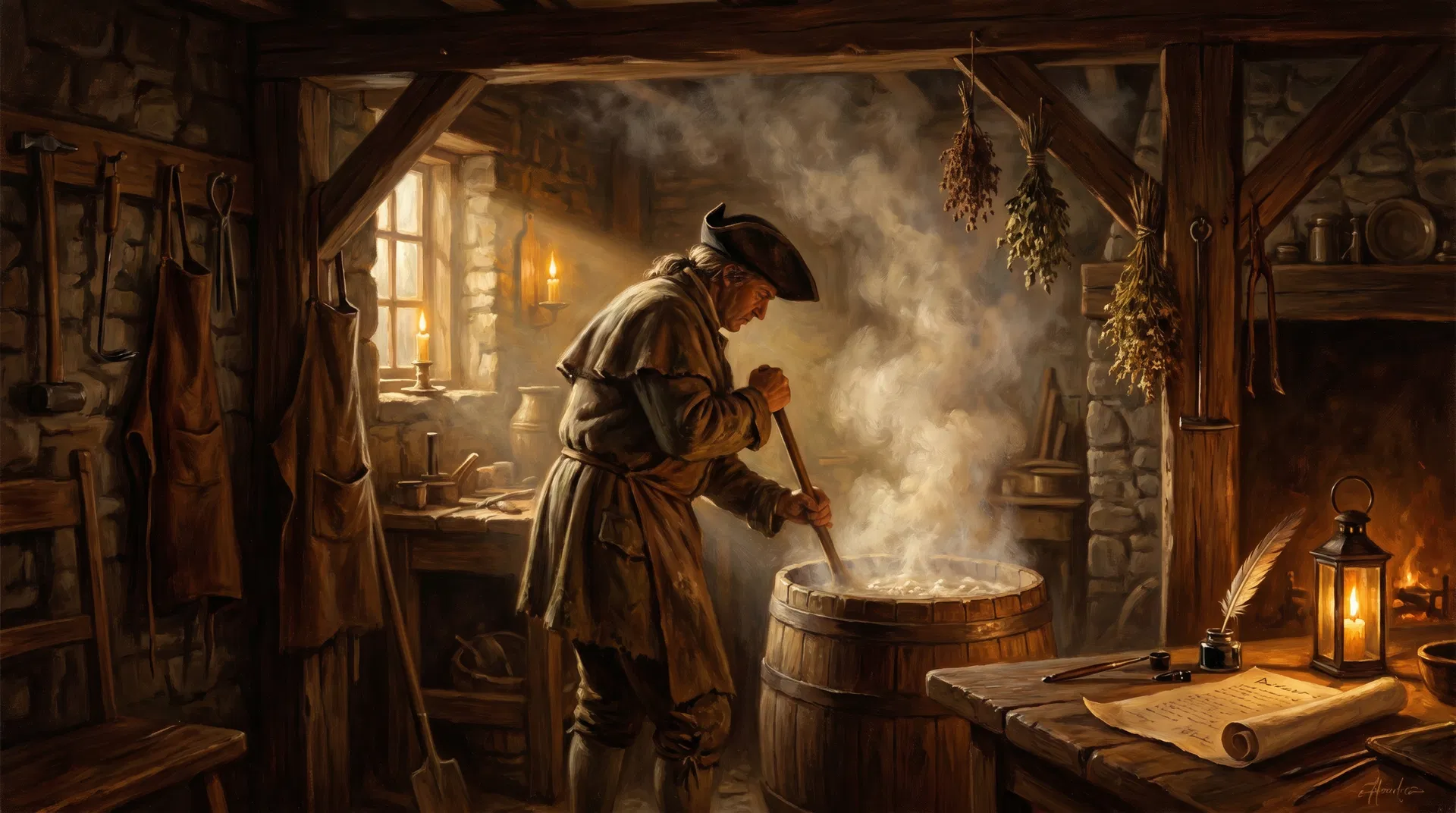
The First Patent: America's Covenant with the Dreamer
Samuel Hopkins received America's very first patent on July 31, 1790 — a document signed by President George Washington himself. Discover how the Founders built a nation that rewards the dreamer, and why that covenant still defines America as we approach our 250th birthday.
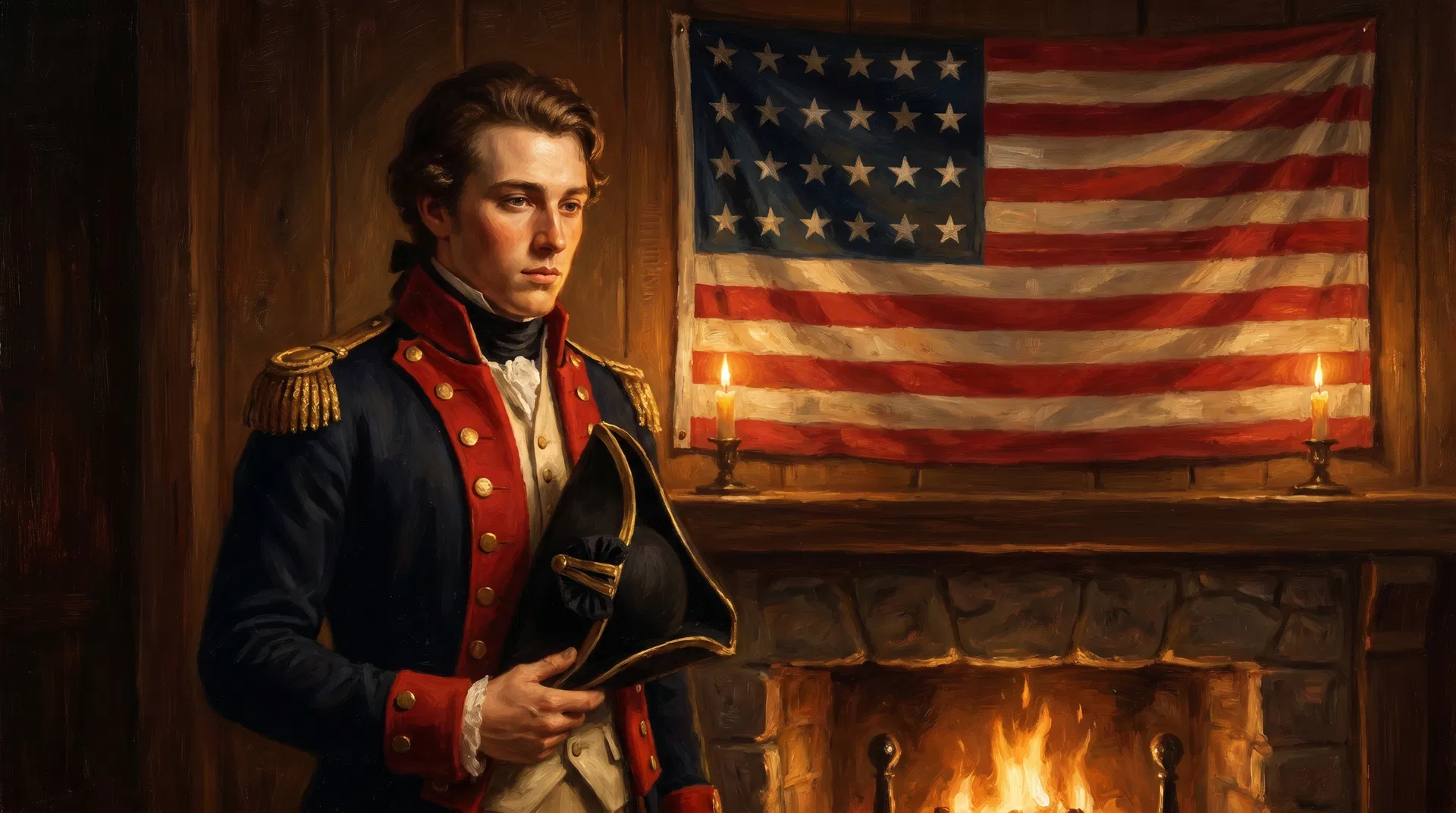
The Frenchman Who Crossed the Ocean for Freedom: The Marquis de Lafayette
In the summer of 1777, a nineteen-year-old French aristocrat defied his king, spent his own fortune on a ship, and sailed three thousand miles to fight for a country that wasn't his — because he believed in an idea. That young man was Marie-Joseph Paul Yves Roch Gilbert du Motier, the Marquis de Lafayette. And his story is one of the most extraordinary testaments to the universal power of the American idea ever written.
More Articles
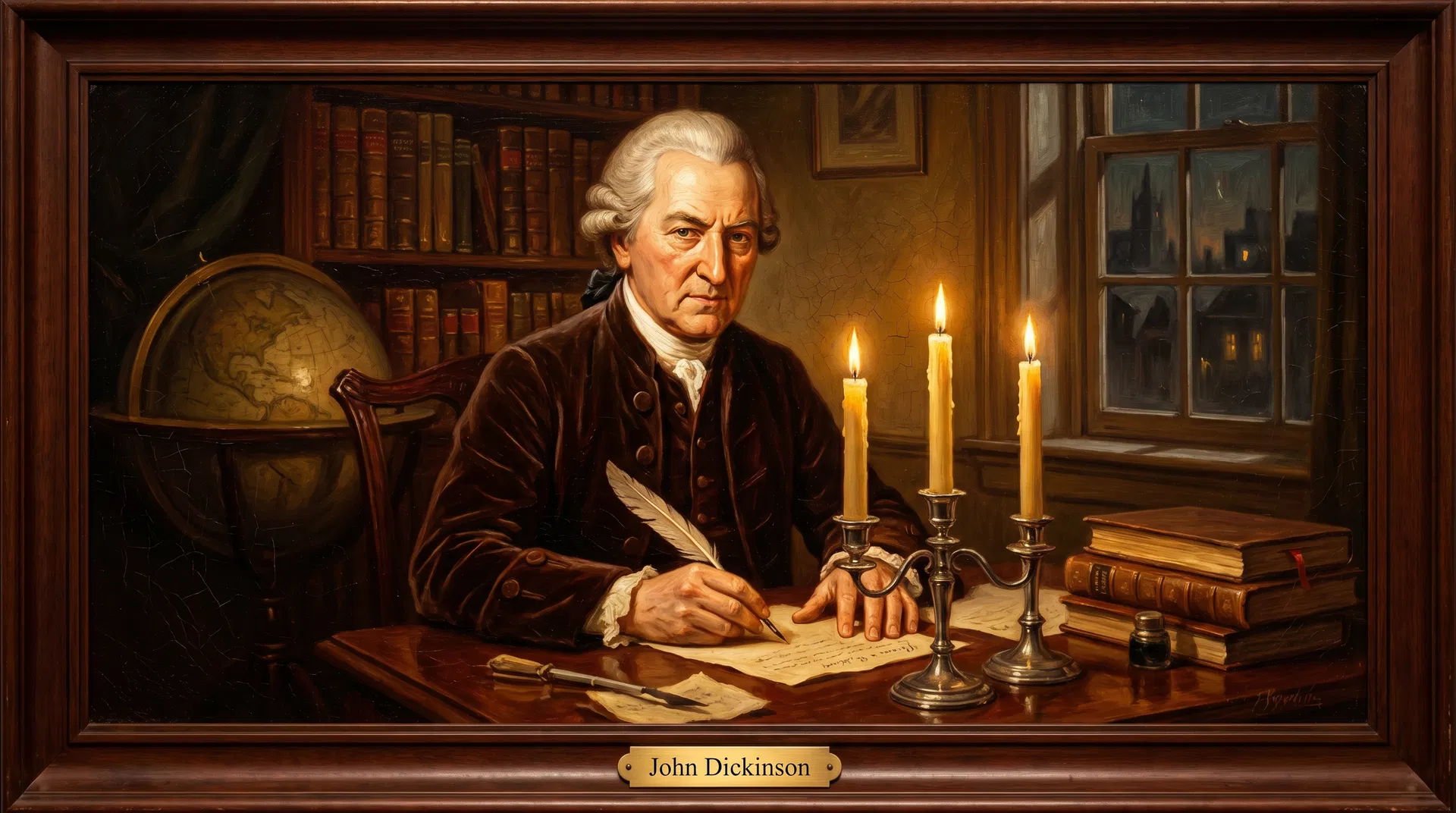
The Penman of the Revolution: John Dickinson — the Founder America Forgot
There is a peculiar cruelty in how history remembers its heroes. We celebrate the firebrands — the men who grabbed muskets and glory — and we let the quiet architects of liberty fade into footnotes. John Dickinson is exactly that kind of casualty. His was a life of breathtaking courage, staggering principle, and enduring patriotism — a life that helped make America possible before most Americans had even imagined her.
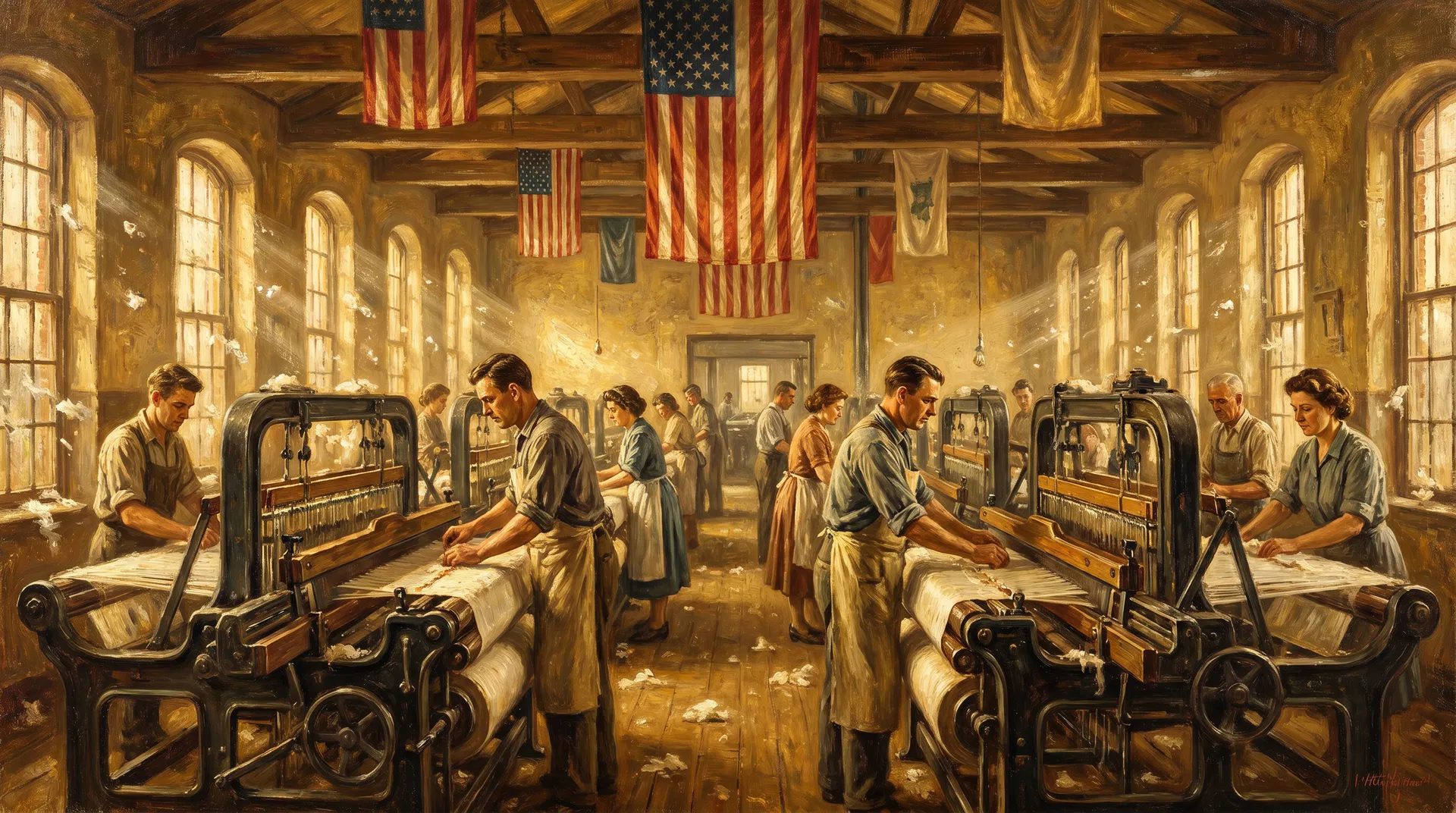
The Truth About the Tag: Why "Designed and Printed in the USA" Matters
There's a question we hear more than any other: "Is this really made in America?" It's the question a free people ask when they understand that where they spend their dollars is itself a declaration of values. So let us give you the kind of answer that question deserves — not a polished press release, not a slogan, but the truth: the full picture of what it means to build a genuinely American brand in today's world.
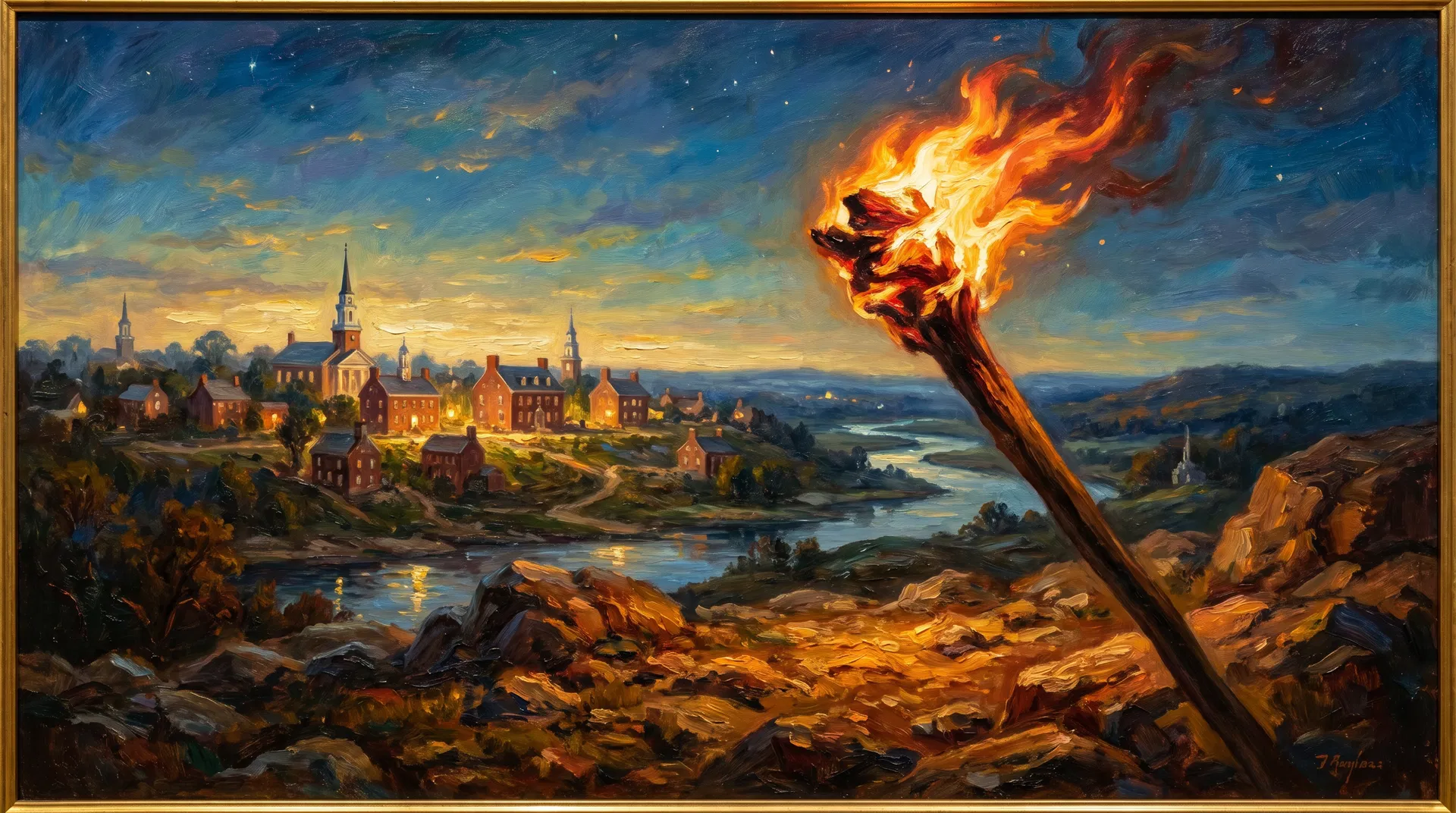
A Shining Torch for a Shining City
Sixty days from now, this great nation of ours — this extraordinary, improbable, magnificent experiment in human freedom — turns two hundred and fifty years old. I've been accused from time to time of being an optimist about America. And I'll tell you, I plead guilty to that charge without a moment's hesitation.
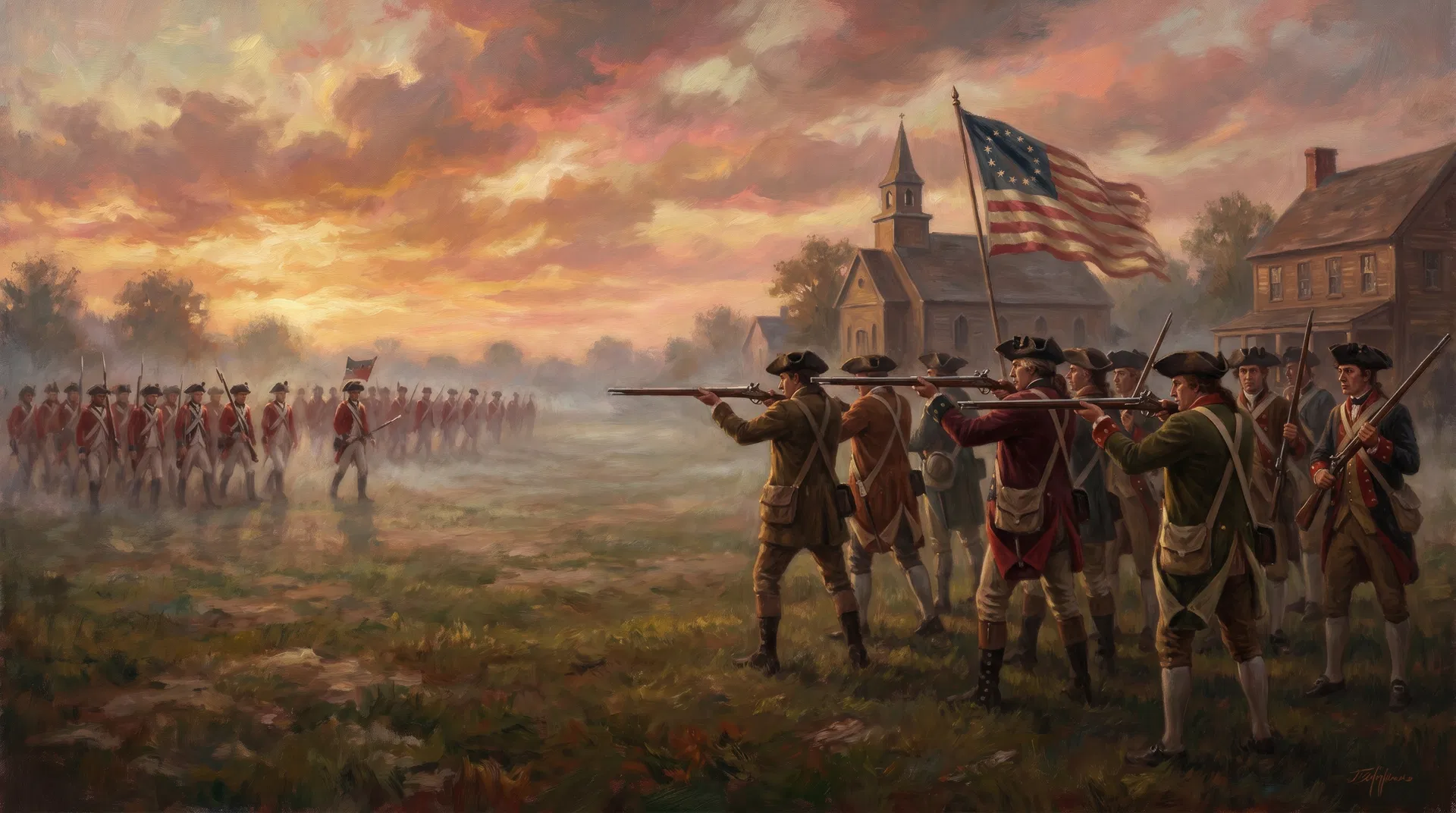
The Second Amendment: Original Intent and Enduring Meaning
You know, there’s something that happens when you hold a copy of the Bill of Rights in your hands — really hold it, and read it slowly, word by word. You feel the weight of what those men were doing. They weren’t just writing laws. They were drawing a line. They were saying, in plain and permanent language, that there are certain things a free people will never surrender. And among those things — standing right there in the Second Amendment, just after freedom of speech and religion — is the right to keep and bear arms.It’s a simple sentence, really. Twenty-seven words. “A well regulated Militia, being necessary to the security of a free State, the right of the people to keep and bear Arms, shall not be infringed.”1 Twenty-seven words that have been debated, dissected, and disputed for more than two centuries. And yet, if you go back to where those words came from — back to the men who wrote them, back to the world they lived in, back to the history they carried in their bones — the meaning isn’t nearly as mysterious as some would have us believe.
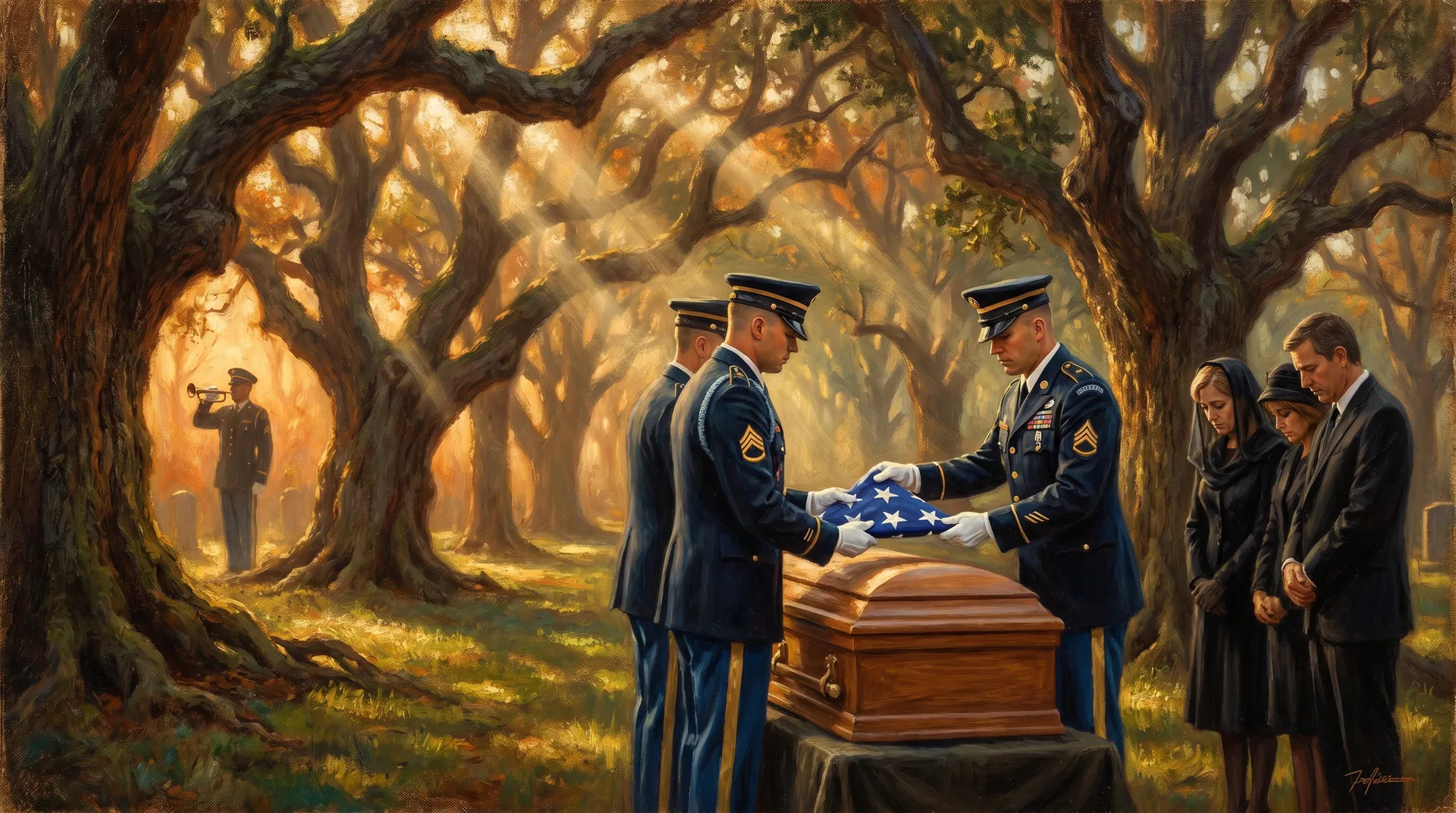
The Price of Freedom: Honoring Those Who Served
Freedom is never free. It is purchased — generation after generation — by men and women who chose duty over comfort, country over self, and courage over fear. More than 1.3 million Americans have paid that price since the Revolution. This is their story.
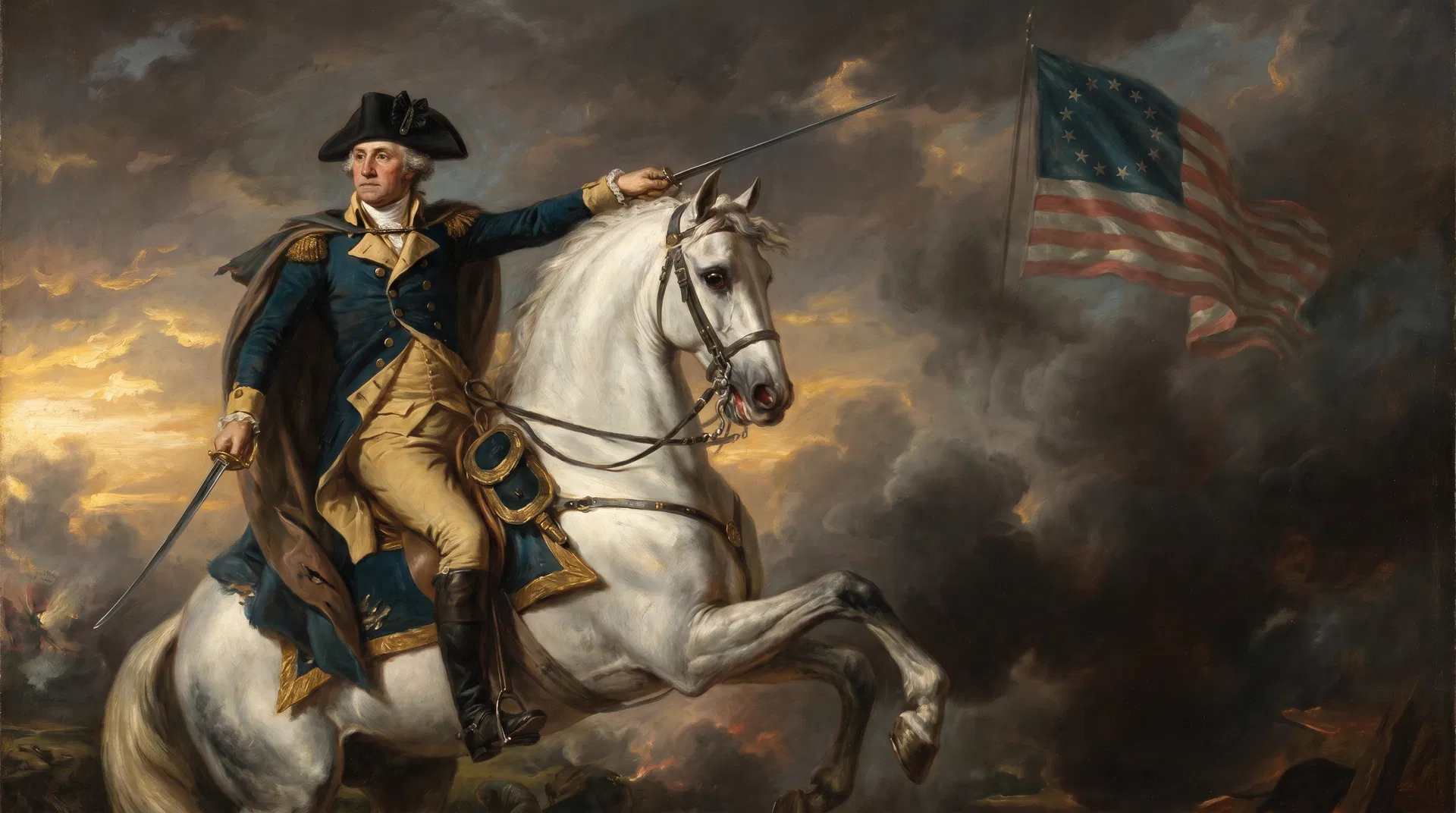
George Washington: The Man Who Could Have Been King
He survived seventeen rifle shots, two horses shot from under him, and four bullets through his coat — and then, when the war was won and the crown was his for the taking, he gave it all back. This is the story of the greatest act of self-restraint in the history of human leadership.
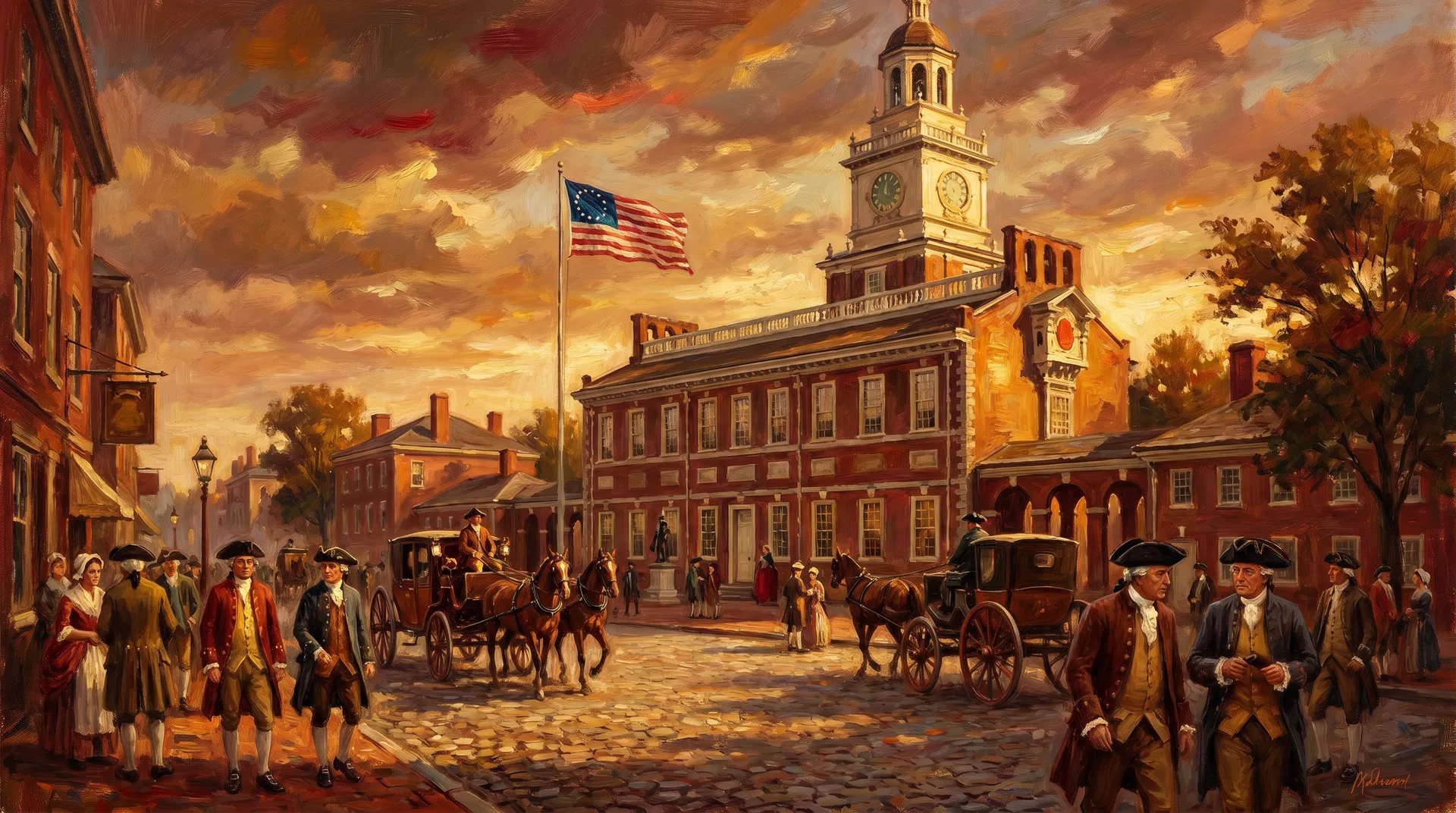
The Miracle at Philadelphia: How the Constitution Was Born
What happened in Philadelphia in the summer of 1787 wasn't just politics — it was, as Benjamin Franklin called it, something very close to a miracle. Fifty-five men walked into an impossible situation and walked out with the oldest written national constitution still in force in the world today. This is the story of how they did it.
Showing 1–9 of 9 articles